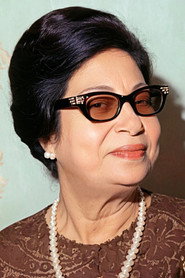
Umm Kulthum
Known for ActingBorn 1898-12-18Died 1975-02-03Tamay Az-Zahayrah, Egypt
Fatima Ibrahim as-Sayyid al-Beltagi (Arabic: فاطمة إبراهيم السيد البلتاجي), known as Umm Kalthoum (Arabic: أم كلثوم), also spelled Oum Kalsoum (or Om-e Kalsūm in Egyptian dialect) or sometimes Umm Kulthum, and nicknamed "Souma", is an Egyptian singer, musician and actress, born December 31, 1898 in Ṭamāy al-Zahāyira (in the Simballāwayn district of the Dakhleya governorate in Egypt) and died February 3, 1975 in Cairo. Referred to by various nicknames, including "the Star of the East", "the Lady", "the Fourth Pyramid" and "the People's Singer", she is generally considered the greatest singer in the Arab world. President Nasser, whose favorite singer she was, exempted her from taxes for life. In Cairo, people used to say: "Egypt is Nasser, Umm Kulthum and the pyramids". Charles de Gaulle called her "The Lady" and Maria Callas "The Incomparable Voice". From a young age, Umm Kulthum showed an exceptional talent for singing. Her father, a strict sheikh, often took her and her brother with him to religious ceremonies to chant verses from the Quran. One day, when her brother was ill, she took his place and immediately captivated the audience with her voice. This marked the beginning of her musical career. She began by singing religious songs, often disguised as a boy to respect her father's austere morals. Her reputation quickly spread, and she was invited to perform throughout Dakahlieh and even in the capital, Zagazig. A renowned singer of the time, Sheikh Abou El Ala Mohamed, heard her and convinced her father to let her take him to Cairo. There, she gave her first paid evening on December 6, 1922, to great success. Oum Kalsoum surpassed all her rivals to achieve unrivaled fame in the Arab world. She was sought after by opulent pashas, wealthy merchants, and political and artistic figures to give their parties supreme luster. Her fees became fabulous, and she toured abroad many times, including Paris in 1967. In parallel with her singing career, she tried her hand at cinema (Weddad, 1936; Le chant de l'espoir, 1937; Dananir, 1940; Aïda, 1942; Sallama, 1945 and Fatma, 1947) but quickly abandoned the seventh art, her eyes affected by glaucoma not being able to tolerate the lighting of the sets. In 1953, she married her doctor, Hassen El-Hafnaoui, while including a clause allowing her to take the initiative of the divorce if necessary. Oum Kalsoum died on February 3, 1975 in Cairo, her musical legacy continues to live and inspire generations of artists and music lovers around the world. In 2001, the Egyptian government opened the Kawkab al-Sharq ("Star of the Orient") museum in memory of the singer. The museum houses a range of Oum Kalthoum's personal effects, including her famous sunglasses and scarves, as well as photographs, recordings and other archival items.Read more
Movies & web series
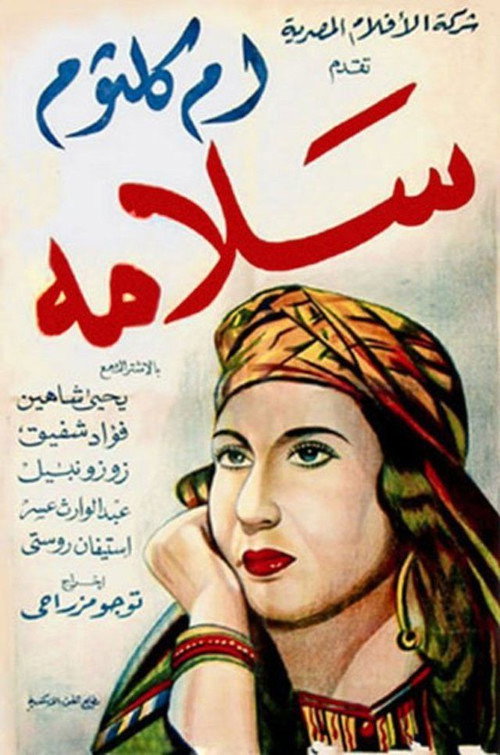 ★ 10.0
Find where to watch →
Salamah
1945 · Movie
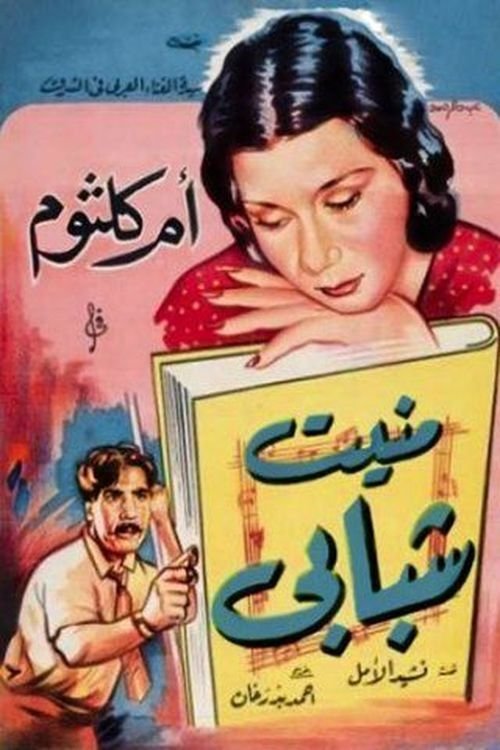 ★ 10.0
Find where to watch →
Hymn of Hope
1937 · Movie
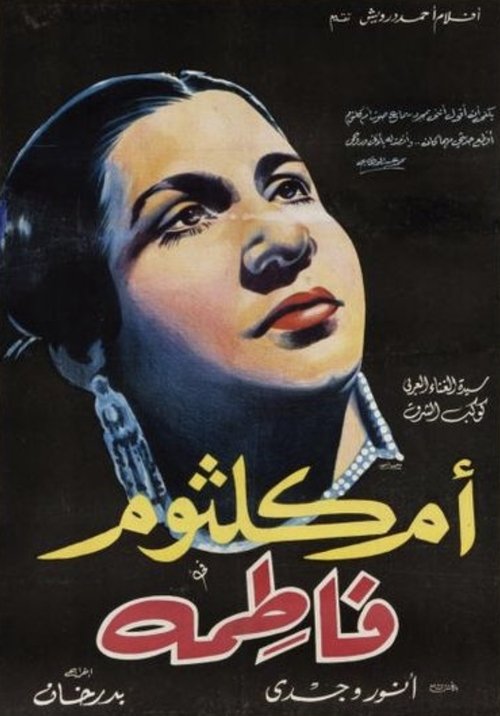 ★ 9.0
★ 9.0Find where to watch →
Fatmah
1947 · Movie
 ★ 8.0
★ 8.0Find where to watch →
Hommage to Oum Kalthoum Paris Philharmonic
2025 · Movie
 ★ 6.8
★ 6.8Find where to watch →
A Letter from Beirut
1978 · Movie
 ★ 6.5
★ 6.5Find where to watch →
Umm Kulthum: A Voice Like Egypt
1996 · Movie
 ★ 7.0
★ 7.0Find where to watch →
Eayida
1942 · Movie
 ★ 6.5
★ 6.5Find where to watch →
An Egyptian Story
1982 · Movie
 ★ 6.3
★ 6.3Find where to watch →
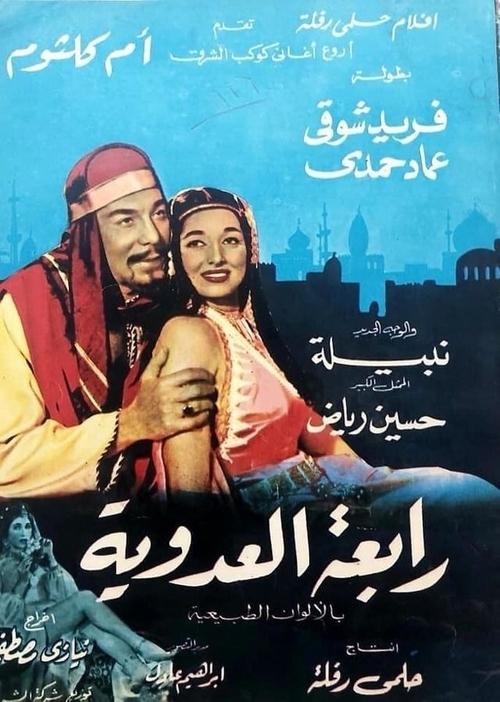
Rabea Al Adaweiah
1963 · Movie
 ★ 6.5
★ 6.5Find where to watch →
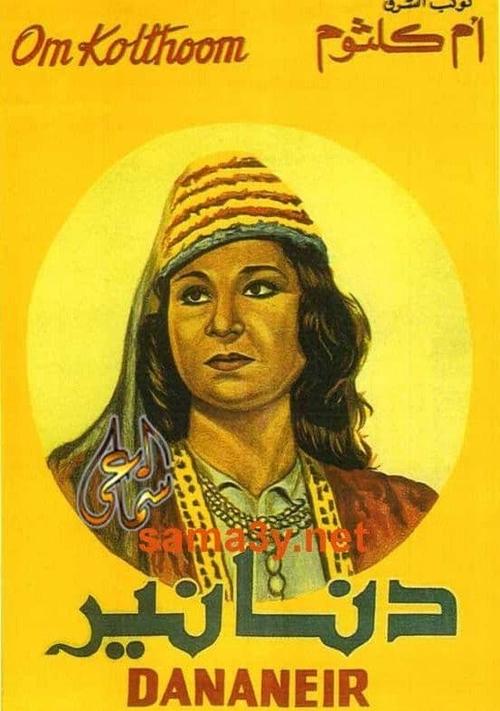
Dananeir
1940 · Movie
 ★ 5.7
★ 5.7Find where to watch →
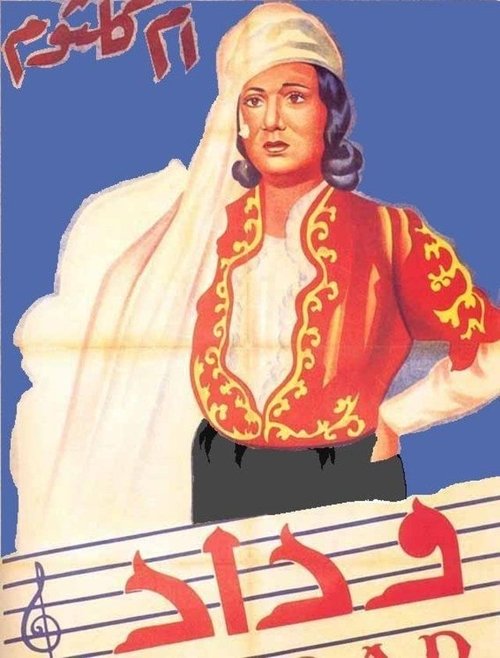
Wedad
1936 · Movie
 ★ 4.0
★ 4.0Find where to watch →
Sons of Aristocrats
1932 · Movie
Find where to watch →
Oum Kalthoum, la voix du Caire
2017 · Movie
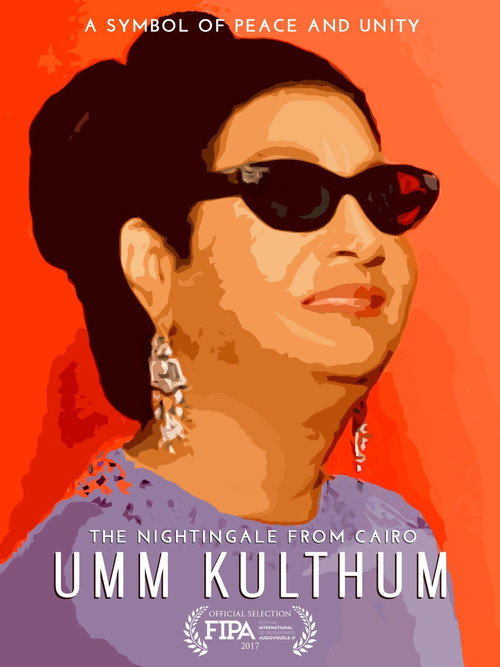
Find where to watch →
Nightingale From Cairo: Umm Kulthum
Movie